
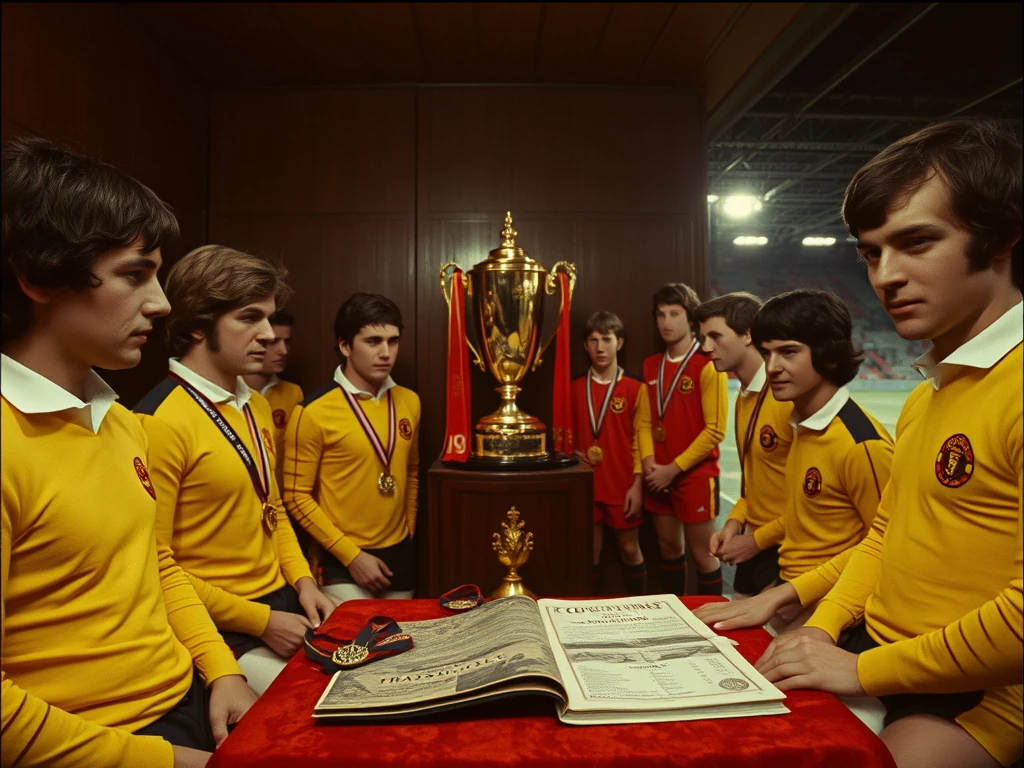
Watford FC's journey to becoming a fixture in English football is as much about the community and spirit of the club as it is about the matches played on the pitch. In the early 1970s, Watford found itself in the Fourth Division, struggling for recognition and results. However, a pivotal moment arrived with the appointment of a young manager named Graham Taylor in 1977, a decision that would change the club's fortunes forever.
Taylor, who had previously managed Lincoln City, brought a fresh approach and a deep understanding of the game. His vision was clear: to create a team that not only competed but thrived in the face of adversity. Under his leadership, Watford began to build a squad that blended youthful exuberance with experienced heads, fostering a winning mentality that had long been absent. The Hornets quickly climbed the ranks, finishing as champions of the Fourth Division in 1978.
The promotion to the Third Division marked the beginning of a new era for Watford. The club’s rise was meteoric; they finished the 1978-79 season in fourth place in the Third Division, earning another promotion to the Second Division. The Hornets' rapid ascent through the leagues was not solely due to Taylor’s tactical acumen but also the passionate support from the stands that created an electrifying atmosphere at Vicarage Road.
One of the defining moments during this period was the 1982-83 season, when Watford secured their place in the First Division, the top tier of English football. This achievement was a testament to the hard work, commitment, and unity of the team, as they finished second in the Second Division. The club’s promotion to the First Division was not just a milestone for the players and staff but a collective triumph for the supporters who had steadfastly backed their team through thick and thin.
Taylor’s Watford was a force to be reckoned with, characterized by attacking football and an unwavering team spirit. The club’s first season in the First Division saw them finish in a remarkable second place, alongside established giants like Liverpool and Manchester United. It was a testament to the hard work and dedication that had been instilled in the players, and it epitomized the club's transformation from non-league obscurity to top-flight prominence.
The legacy of Graham Taylor is still felt at Watford today. His impact on the club extended beyond just the results on the pitch; he built a culture of positivity and belief that resonated with fans and players alike. The Hornets' run to the FA Cup Final in 1984, where they faced Everton, was the culmination of Taylor's work and the community’s unwavering support.
As Watford continues to navigate the ups and downs of modern football, the lessons learned from that era remain vital. The club is a testament to the power of unity and ambition, showing that with the right leadership and a passionate fanbase, anything is possible. The journey from the Fourth Division to the Premier League is not just a story of success; it is a narrative of resilience, hope, and the indomitable spirit of Watford FC.