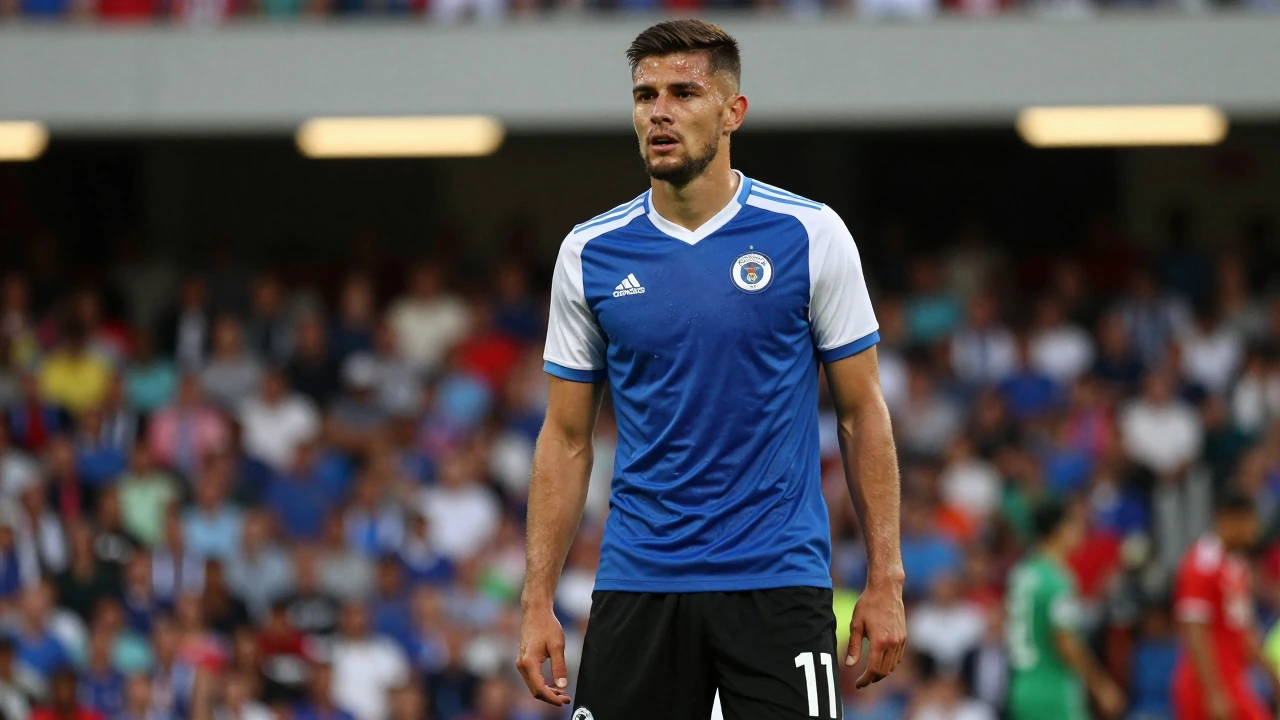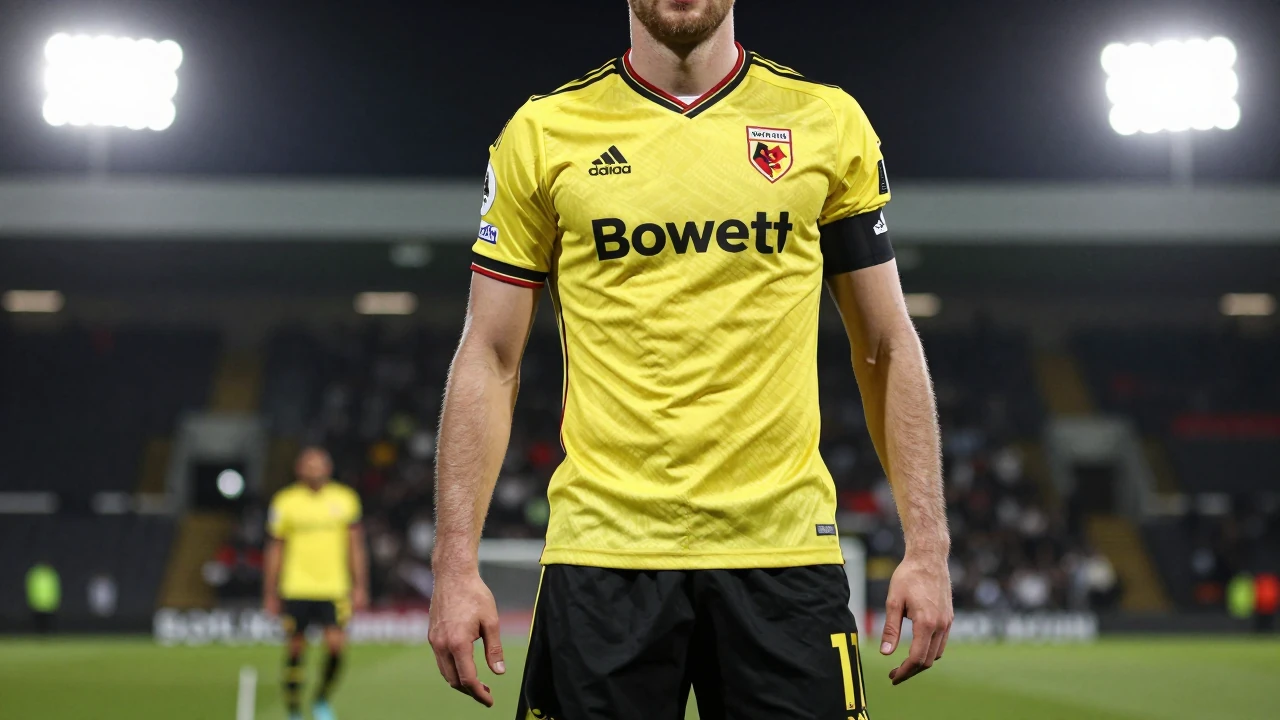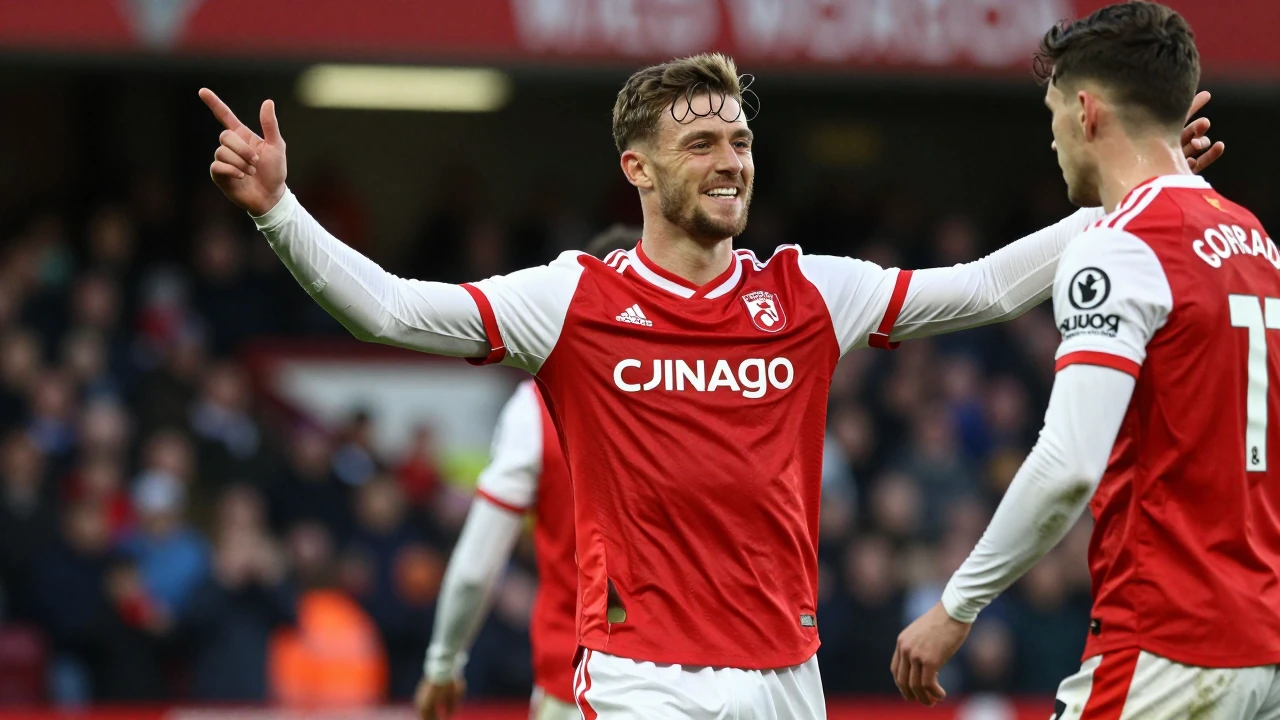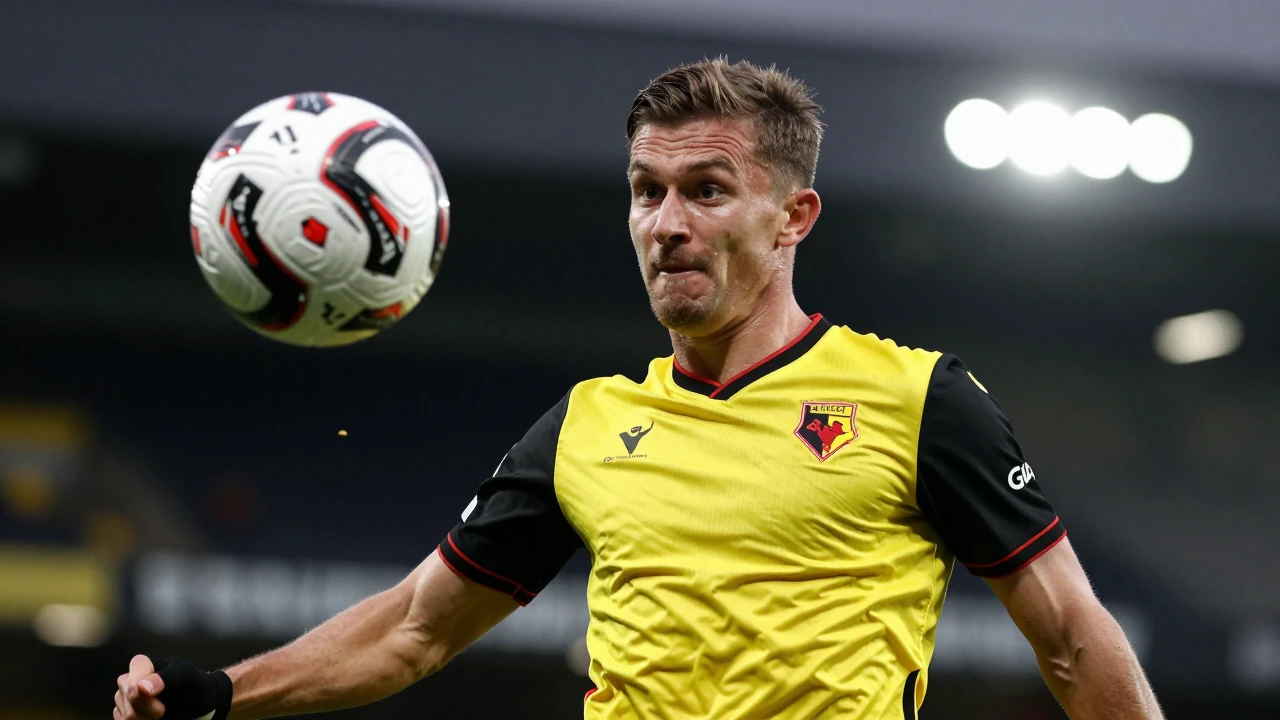
Quick Rise to Respect
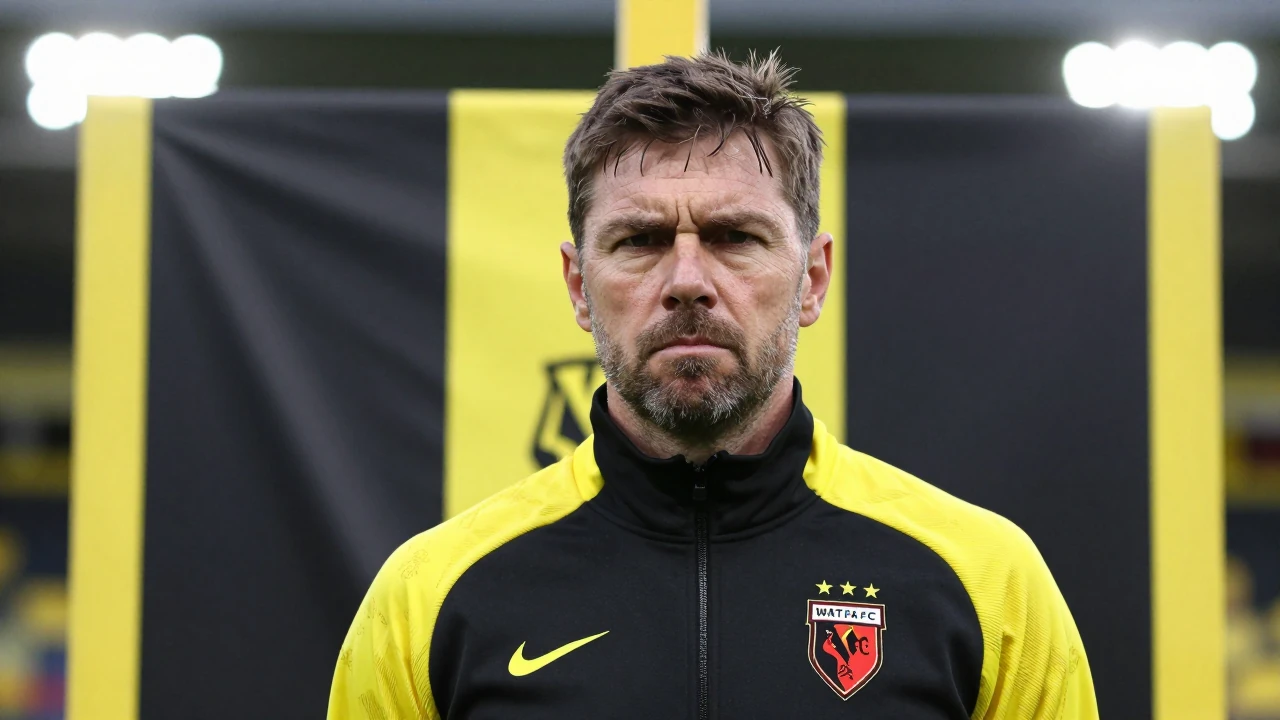
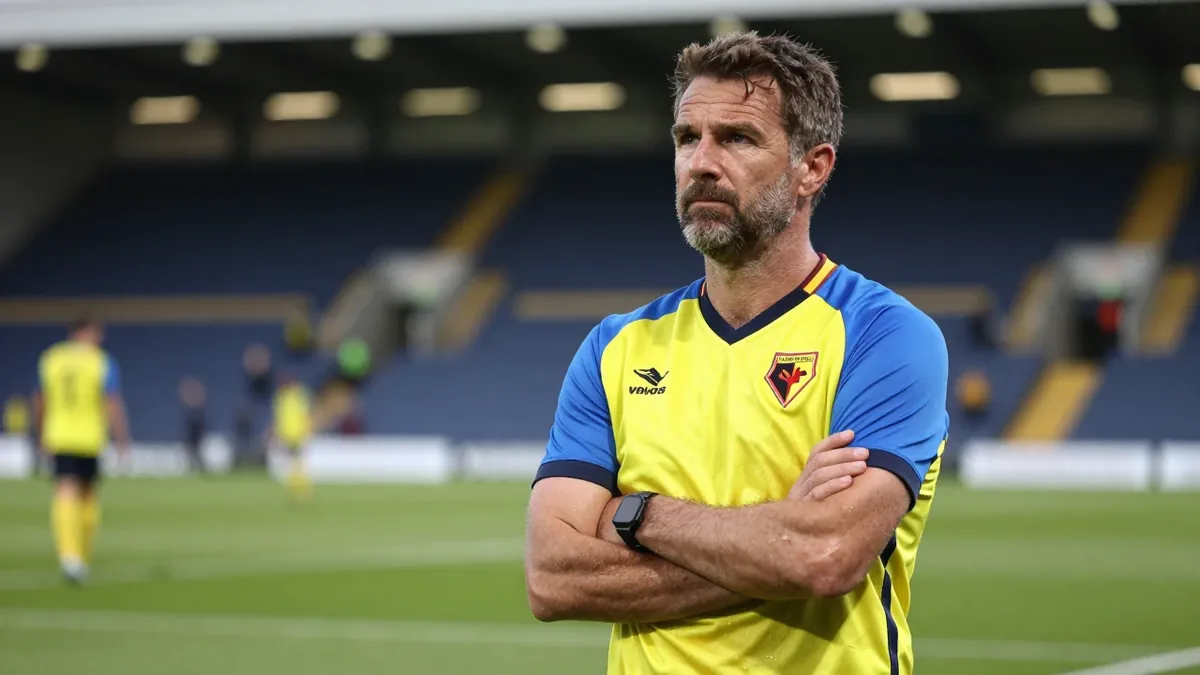
Alessio Dionisi, appointed head coach of Watford in June, has already earned praise after the club’s first three competitive matches. In just two months, he has secured a point against Wrexham and led the team to three consecutive energetic performances.
The appointment was greeted with mixed feelings when it was confirmed in June, a period when many fans expected another routine change. Yet Dionisi’s first two months have shown a clear difference. His English communication has improved dramatically, from “intelligible but broken” after the Hansa Rostock friendly to a confident, fluent delivery in recent press conferences. He balances a relaxed tone with the seriousness the club needs, creating a relatable atmosphere that resonates with supporters.
Building Unity and a New Spine
The squad’s unity was evident on 21 June when a group of ten senior first‑team players reported to the club. The new spine now consists of Mattie Pollock, Hector Kyprianou and Edoardo Bove. Imran Louza, last season’s club captain, is out of the picture.
Pollock, who has already earned the role of club captain, was the first to congratulate the Argentine. The team’s defensive line has been stretched thin, but the arrival of new signing Martin Payero proved decisive when he made a key clearance in the final stages of the Wrexham match.
A Point Against Wrexham
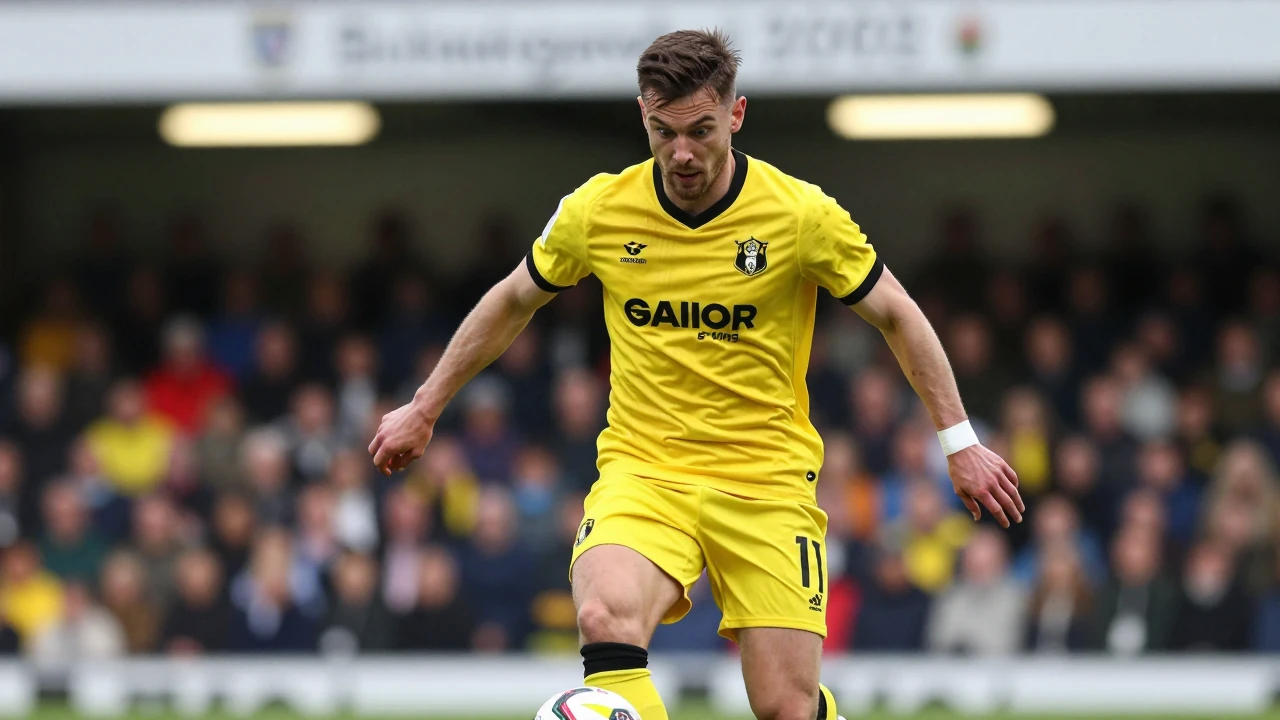
Saturday’s trip to Wrexham was expected to be a tough test. Dionisi openly expressed concerns, yet the team managed a point from a game that could have been a loss last season. The defence held firm, and the midfield’s aggressive play kept the opposition at bay. Omar Traore, one of four fit senior defenders, was injured before half‑time, but the choice to replace him with Albert Eames was significant. Eames, along with academy product Amin Nabizada, showed youthful energy by pinching the ball from Kieffer Moore, a seasoned Championship player.
The selection of Luca Kjerrumgaard for Mamadou Doumbia was also spot‑on. The squad’s three consecutive performances have been described as “interesting, fun, energetic,” a stark contrast to the club’s first half of 2026.
Financial Reality and Squad Management
The club’s financial situation is tightening. Gino Pozzo is no longer funding the club out of his own pocket, parachute payments have been exhausted, and Championship finances remain precarious. In 2026, the club sold Giorgi Chakvetadze and Nestory Irankunda, released Moussa Sissoko and Tom Ince, and the future of Imran Louza is uncertain.
Dionisi has refrained from publicly discussing summer recruitment, but subtle remarks hint at his thoughts. He has noted that the squad suffers in the second half of matches and that the team’s depth is thinning each week. The urgent need for centre‑backs has been acknowledged for weeks, and the club’s ability to tap into free agents and loans is critical.
A Prudent Appointment
The early signs suggest that Dionisi’s appointment may be one of the hierarchy’s most prudent calls in recent memory. Unlike previous coaches such as Valerien Ismael, Tom Cleverley, and Javi Gracia, who experienced fleeting moments of success, Dionisi has already built a sense of camaraderie and a clear playing style. With the squad close to breaking point after just two weeks, failing to provide the coach with a suitable squad would be a costly mistake for Watford.